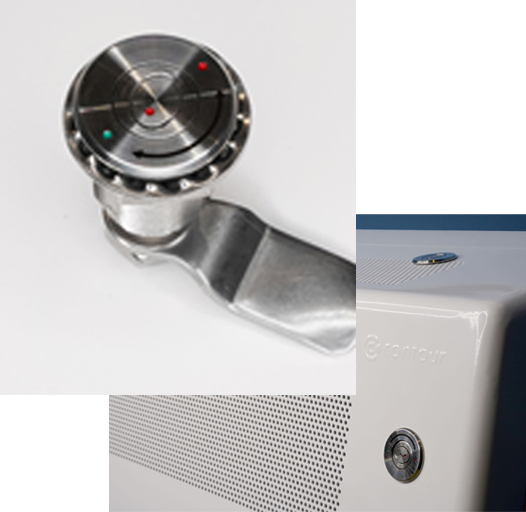
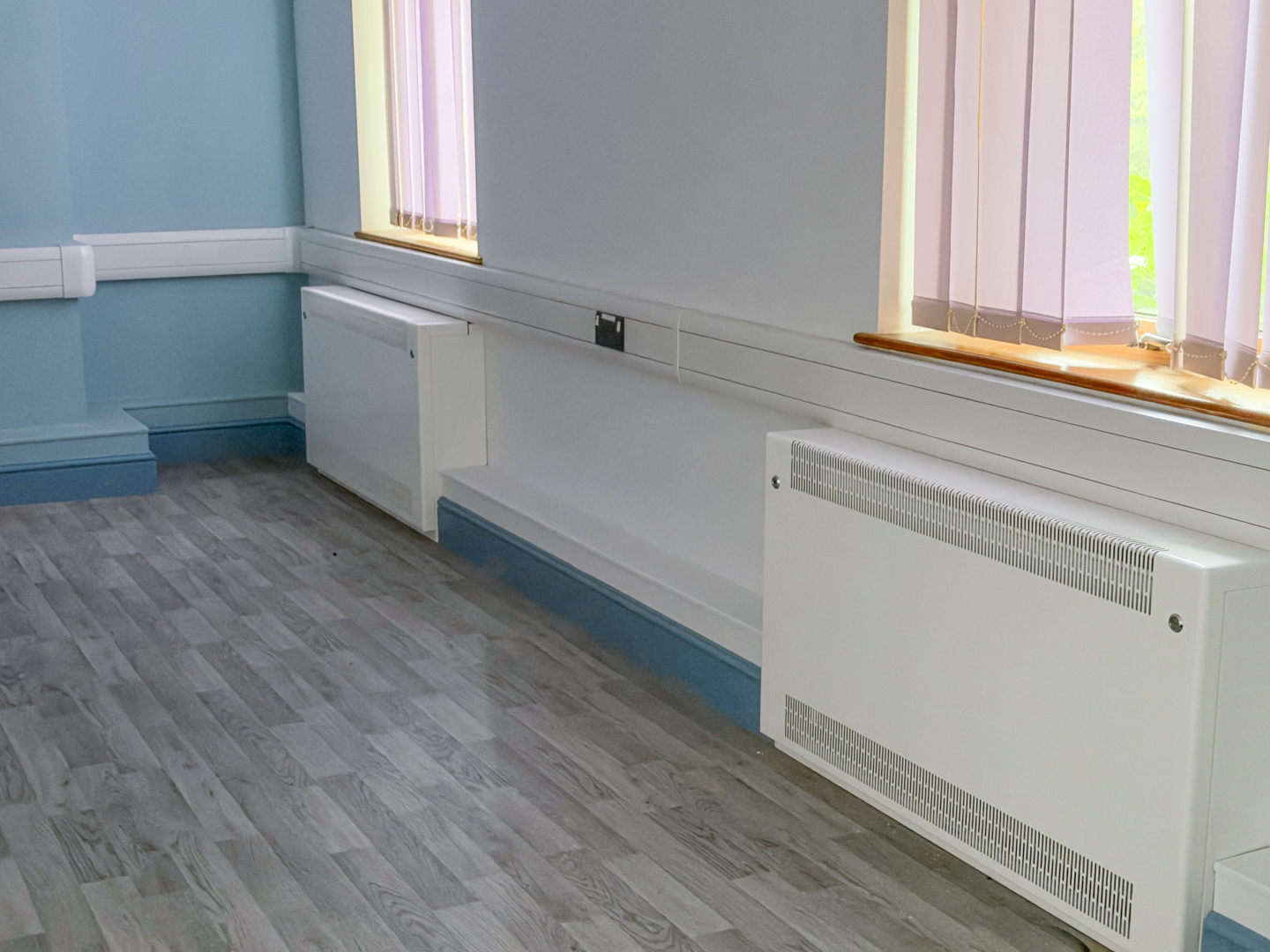
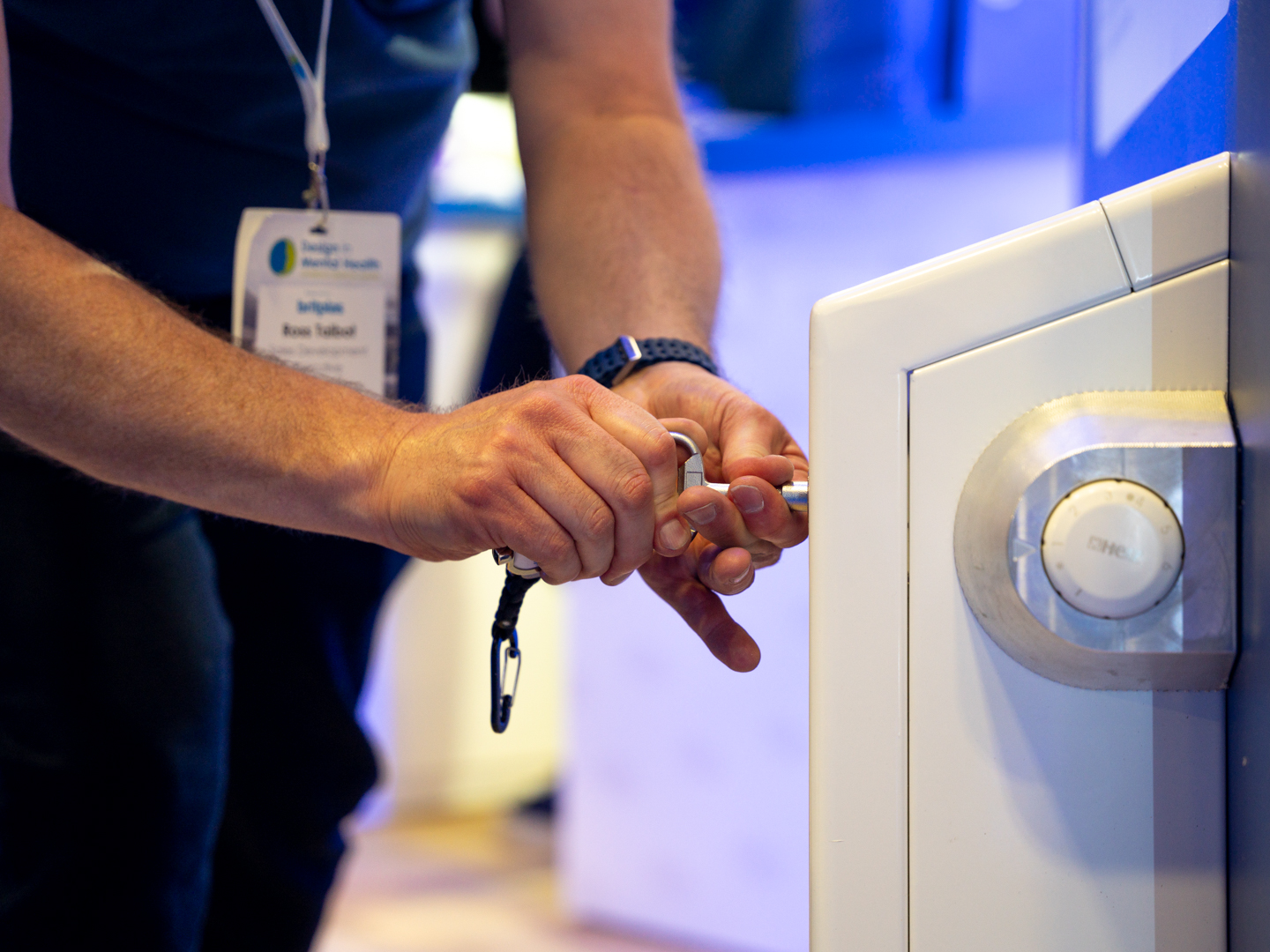
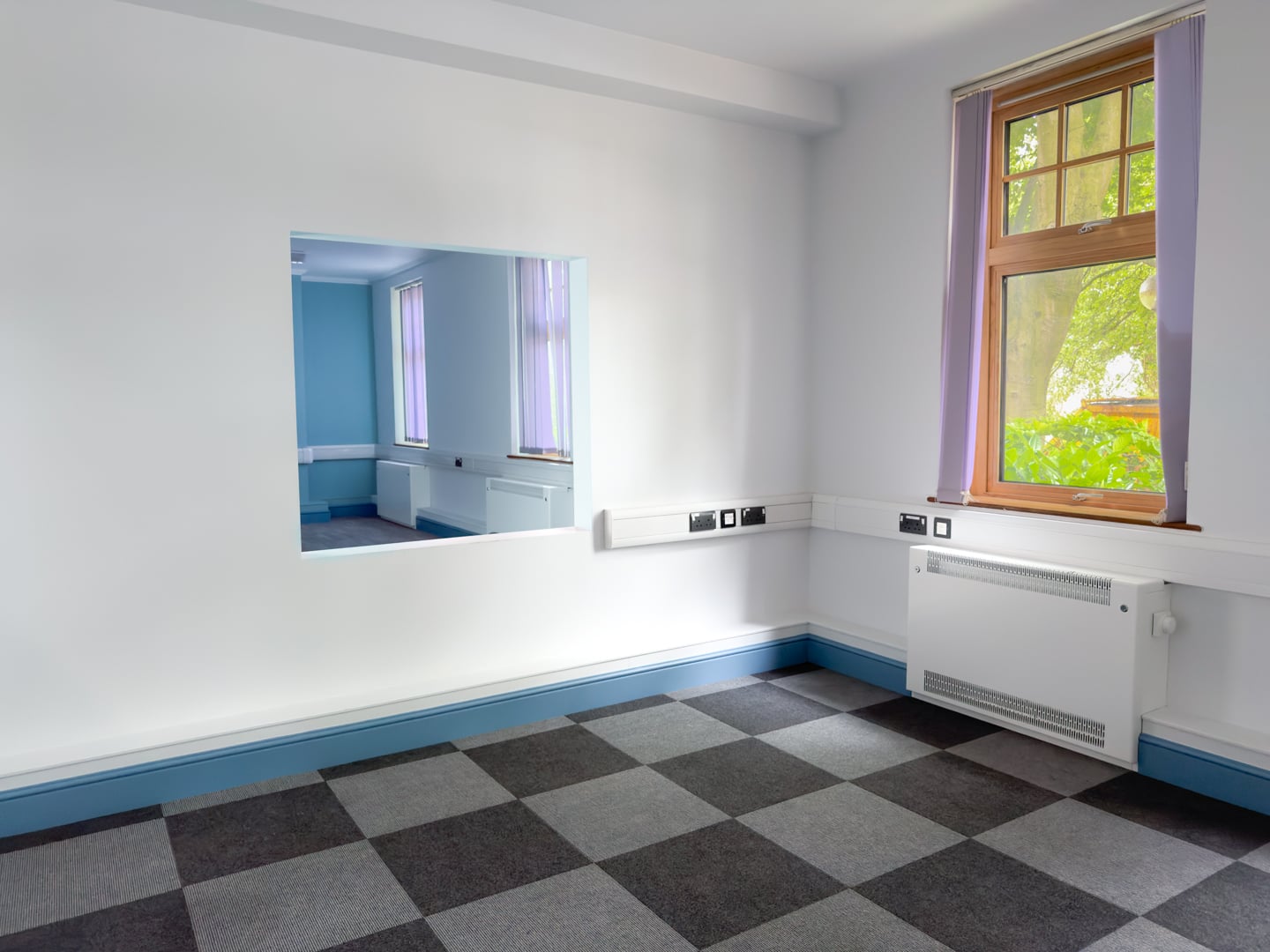
Contour introduces its new Danfoss TRV valve kit range
Contour is partnering with Danfoss for its updated range of thermostatic radiator valve kits, and from mid-September 2026 every new specification will be supplied with Danfoss valves. The change gives customers a choice between a standard pre-settable TRV kit and a Danfoss Dynamic Valve option for ...
Contour is partnering with Danfoss for its updated range of thermostatic radiator valve kits, and from mid-September 2026 every new specification will be supplied with Danfoss valves. The change gives customers a choice between a standard pre-settable TRV kit and a Danfoss Dynamic Valve option for compatible two-pipe heating systems. It also brings Danfoss heating-control technology and technical support to every LST radiator we supply. If you have a live order or an existing quotation that names Hertz valves, nothing changes: those will be supplied with Hertz valves as quoted, unless you ask us to switch. Why Contour chose Danfoss Most LST radiator projects need a dependable pre-settable TRV kit that installs cleanly and stays serviceable for years. A growing number, particularly larger two-pipe systems and buildings moving to heat pumps, benefit from a valve that does more. Danfoss lets us offer both from one range, with one set of documentation and one point of technical support. The difference is noticeable. A standard valve controls the temperature of one room. The Danfoss Dynamic Valve (RA-DV) does that too, and it also helps the radiator take its fair share of hot water as conditions elsewhere in the system change. The extra cost buys more consistent comfort, potentially less wasted energy, and less balancing fuss over the life of the system. In addition to being a superior product, Danfoss also brings selection tools, application guidance and product data that we can pass straight through to consultants and installers Left: Ian Hill | Key Account Manager | Danfoss Right: Richard Holland | National Sales Manager | Contour Heating Ian Hill said of the partnership Danfoss is pleased to announce its collaboration with Contour Heating Services, supplying innovative energy-saving Dynamic Thermostatic Radiator Valves alongside our advanced range of energy-saving gas sensors. This strategic collaboration brings together the expertise and capabilities of two established market leaders, aligned in their commitment to delivering innovative, energy-efficient solutions that support customers in reducing energy consumption, improving operational efficiency, and achieving their sustainability objectives. By combining our complementary technologies and expertise, Danfoss and Contour Heating Services are positioned to provide a comprehensive solution designed to deliver measurable energy savings while supporting the transition towards more efficient and sustainable heating environments Ian Hill, Area Sales Manager Midlands, Danfoss Richard Holland said of the partnership "Contour Heating is delighted to be offering Danfoss TRV kits with our LST radiators. "We are always striving for ways to improve our products for customers and the public sector as a whole. Danfoss' innovative design & manufacturing quality, I am sure we have found a new way to do this." I look forward to a long and fruitful partnership" Richard Holland, National Sales Manager, Contour Heating Two customer options for each type of TRV fitting Standard Danfoss pre-settable kit. This is the default for most projects: a Danfoss pre-settable TRV body, a thermostatic head with remote sensor options where the casing calls for it, and a matching lockshield. It suits schools, wards, care homes and secure units where the priority is reliable room control, straightforward commissioning and easy replacement of parts over time. Dynamic Valve option (RA-DV). For compatible two-pipe systems, the RA-DV replaces the standard valve body and adds automatic hydronic balancing at each radiator. It takes the same RA-connection thermostatic heads as the standard kit, so remote sensor and anti-tamper options carry across. It is the practical choice for projects where balancing and system performance are priorities. In short, the updated range gives customers a choice of standard and dynamically balanced valve kits, Danfoss heating-control technology with technical support behind it, and a clear route for projects where system performance is part of the brief. How the Dynamic Valve works The RA-DV combines thermostatic radiator control with a built-in differential-pressure controller in one valve body. At installation, the installer presets the calculated maximum flow for that radiator directly on the valve. That figure comes from the heat loss and design flow rate in the M&E design, so the valve is set to what the room needs rather than a rough estimate. Once set, the valve helps maintain that flow as conditions elsewhere in the system change. When other TRVs close down on a mild afternoon, or a variable-speed pump ramps up and down, the differential pressure across each radiator shifts. A standard valve passes more or less water as a result. The RA-DV compensates, so the radiator keeps receiving roughly the flow it was set for, within the valve's stated operating range. Watch below for more information. This makes accurate radiator balancing simpler: fewer overheated rooms near the pump, fewer cold rooms at the end of the index run, and less time adjusting lockshields after handover. It supports consistent room temperatures and efficient system operation, and on heat pump systems, where stable flow and low return temperatures protect efficiency, that has a direct bearing on running cost. A few more details regarding the changeover Changeover date: Danfoss kits apply to all new specifications from mid-September 2026 Existing specifications and quotations: Where Hertz valves are specified, you will receive Hertz valves. If you would prefer to move to Danfoss, tell us and we will confirm the substitution in writing. Live orders: Fulfilled as quoted. No action needed. Replacements and adapters: No change. Existing LST radiators, tail connections and adapter arrangements are unaffected. Documentation: Danfoss data sheets and installation guides are available for each kit, co-branded so they file with the radiator paperwork. Technical contact: Richard Holland, National Sales Manager, on +44 (0) 7496 458744 or richard.holland@contourheating.co.uk. If you are unsure which valve a project should carry, send us the room schedule and M&E drawings and we will mark up a recommendation. More choice, better support Contour customers now have two clear routes: a standard Danfoss pre-settable kit for everyday LST radiator projects, and the RA-DV Dynamic Valve for compatible two-pipe systems where balancing and energy performance matter. You can compare the options on our TRV valve kit page. If you would like help deciding which kit is right for your project, contact the Contour team on +44 (0) 1952 290498 or email sales@contourheating.co.uk. The valve is a small part of a radiator installation, chosen correctly, it is the part that decides whether the system performs optimally.
11 September 2026
How LST radiator engineering solves the 43°C problem
When you're replacing radiators in a ward, school or care setting, the specification must do two things: hold accessible surfaces below 43°C and still meet the room's calculated heat loss. Enclosing the emitter within a casing solves the former. It's the latter, that decides whether the ...
When you're replacing radiators in a ward, school or care setting, the specification must do two things: hold accessible surfaces below 43°C and still meet the room's calculated heat loss. Enclosing the emitter within a casing solves the former. It's the latter, that decides whether the specification works. A casing adds depth and limits direct radiant transfer to the room, so a cased LST radiator generally needs a larger heat-exchanging surface than an exposed radiator to deliver equivalent output. Protecting the patient is straightforward. Recovering the output, you lose protecting the patient is the radiator design problem. {% video_player "embed_player" overrideable=False, type='hsvideo2', hide_playlist=True, viral_sharing=False, embed_button=False, autoplay=True, hidden_controls=True, loop=True, muted=False, full_width=False, width='1920', height='1080', player_id='220194336290', style='' %} Getting the casing right A cover is not one decision, it's four that interact: airflow path, grille position, high/low convection layout, and internal heat-exchanger sizing. Get the balance wrong and the failures may include: Starved airflow, cutting output below the figure the room needs. Heat trapped inside the casing, raising the casing's own surface temperature back towards the 43°C limit the cover was fitted for. Tight internal cavities become areas that cleaning schedules can't reach properly. Which raises the question that decides the specification: how do you verify that a given casing design delivers the desired output? Proving the output: what BS EN 442 changed As Part One covered, BS EN 442 → introduced a standard laboratory test for measuring radiator output. This meant manufacturers could publish figures based on a recognised test, rather than relying on their own claims. This is why radiator outputs are shown at different temperature differences, such as ΔT50, ΔT30, ΔT24 and ΔT20. Each figure is calculated from the same tested equation, based on the difference between the radiator temperature and the room temperature. However, these figures should not always be treated as exact. Research published in the REHVA Journal found that, for some radiator types and operating conditions, calculated outputs could differ from directly measured outputs by around 10%. This was particularly noticeable with panel radiators operating at low flow rates and large temperature differences. This does not mean BS EN 442 is generally inaccurate. It shows that radiator performance can vary under certain conditions. As heat pumps make lower-flow and part-load operation more common, it can be more useful to look at performance data across a range of operating conditions rather than relying on one quoted wattage. How LST & heat pumps overlap Heat pumps run at flow temperatures of roughly 35–55°C, against 60–80°C for a conventional gas boiler. Output falls as the temperature difference between emitter and room narrows, so a radiator sized to perform at boiler flow temperatures will generally need to be larger to deliver the same output once flow drops to heat-pump levels. The commonly quoted 1.5–2x figure is a rule of thumb rather than a design value: the actual factor depends on room temperature, flow and return temperatures, the radiator's exponent, and the original design conditions, and needs calculating per installation. The scale of the retrofit challenge varies depending on how it is measured. A 2021 BEIS survey suggested that around 90% of UK homes would need radiator upgrades to meet peak heat demand at a 55°C flow temperature, rising to around 99% at 45°C. More recent research, based on measured data from approximately 4,600 UK boilers, paints a less severe picture: around a third of homes may already be able to meet peak demand at a 55°C flow temperature without changing their radiators. Although these studies focus on domestic heating rather than healthcare, the underlying principle is the same: as system temperatures fall, radiators need enough surface area and heat output to meet the room's heat loss. This creates a natural overlap with LST radiator design. LST radiators have long used larger heat-emitting surfaces to deliver the required output while keeping accessible surface temperatures safer. Where additional output is needed within limited wall space, designs such as Contour's DeepClean Triple Fin LST radiator increase the available heat-emitting surface within a similar overall height to a double-fin model. That does not mean an LST radiator is automatically suitable for a heat pump. The correct radiator still needs to be selected using its certified output at the intended flow and return temperatures and checked against the calculated heat loss of the room. Looking at published outputs at lower ΔT conditions is therefore more useful than relying on the product category alone. How Contour Heating are improving the LST design Surface temperature is a well-defined and manageable specification requirement rather than a live engineering unknown. Current design effort sits on what the casing introduces alongside it. Cleanability is the clearest. Fixed grilles trap dust and debris in cavities that cleaning schedules can't reach; removable and drop-down panels that open the casing flat address this directly. Impact and edge-injury resistance, bullnose corners and radius edges, addresses what happens if someone falls against the unit, sitting alongside rather than replacing the anti-ligature fixing requirements covered in Part One. Antimicrobial finishes are the third strand. Silver-ion technologies such as BioCote are specified on healthcare-grade LST radiators to address the risk that grilles and internal cavities can otherwise harbour bacteria. Contour's DeepClean range has used BioCote technology since 2006. Specifying against both requirements The sequence that resolves most of these projects: 1. Calculate the room's heat loss at the design conditions for the setting, not the output of the radiator being replaced. 2. Check certified output at your actual temperature regime, using the delta-T table for the flow and return you'll run, particularly if a heat pump is planned now or later. 3. Select casing, cleaning and safety features for the setting — anti-ligature requirements, cleaning access, and impact resistance vary by ward type and change the product, not just the finish. A safety threshold from the 1990s produced a design discipline that now has to answer to infection control, ligature risk, and low-temperature heat sources at the same time. The specification questions have grown; the method for answering them hasn't changed much. Next step: send us the room schedule and intended flow and return temperatures, and we'll return an output assessment showing certified performance at your conditions against the calculated heat loss. Send your room schedule here↗ For the regulatory background behind these requirements, read Part One: The history of low surface temperature radiators: how a safety standard reshaped heating design Sources BSI Knowledge — BS EN 442-1:2014 iTeh Standards — EN 442-2:2014 REHVA Journal — Can We Still Trust in EN 442? Part 1 (measurements) REHVA Journal — Can We Still Trust in EN 442? Part 2 (model-based analysis) BEIS — Domestic Heat Distribution Systems: Evidence Gathering (2021) Childs, Bennett, Watson & Wilson (2025), diagnostic boiler data study BioCote — Contour Heating Products partner page
27 August 2026
Radiator Flow and Return Explained: A Practical Guide to Radiator Balancing
What do "flow" and "return" mean on a radiator? Ask someone to point to the flow pipe on a radiator and most people hesitate. The terms turn up in engineer conversations, product spec sheets, and maintenance reports without much explanation, which leaves anyone outside the trade ...
What do "flow" and "return" mean on a radiator? Ask someone to point to the flow pipe on a radiator and most people hesitate. The terms turn up in engineer conversations, product spec sheets, and maintenance reports without much explanation, which leaves anyone outside the trade guessing at what they actually describe. The answer is straightforward. Flow is the pipe carrying heated water from the boiler, heat pump, or other heat source towards the radiator. Return is the pipe carrying that water back out of the radiator and into the rest of the heating circuit, on its way to be reheated. Water enters a radiator warmer than it leaves. That temperature drop is part of how a radiator does its job: heat passes from the water into the metal, then into the room, and the water carries on around the circuit cooler than when it arrived. Every radiator sits somewhere within a wider loop: heat source, flow pipe, radiator, return pipe, back to the heat source. Knowing which pipe is which matters for anyone installing a radiator, tracing a fault, or working out why one room heats faster than another. {% video_player "embed_player" overrideable=False, type='hsvideo2', hide_playlist=True, viral_sharing=False, embed_button=False, autoplay=True, hidden_controls=True, loop=True, muted=False, full_width=False, width='1920', height='1069', player_id='219832544399', style='' %} How water moves through a radiator heating system A heating system runs on a cycle. Water is heated at the source, pushed around a network of pipework by a pump, and distributed to each radiator in turn. As water passes through a radiator, it gives up heat to the room and comes out cooler than it went in. Radiators positioned nearer the heat source, or nearer the start of a pipe run, tend to get first access to the hottest water. By the time water reaches radiators further along the circuit, some heat has already gone into the radiators before it. Left unmanaged, this can mean radiators later in the run receive less heat than the ones before them. Valves at each radiator control how much water passes through it, and the pipework layout, how radiators are connected, and in what order has a direct bearing on how evenly heat gets distributed. None of this needs to turn into an installation manual to follow: the practical point is that a radiator's position in the circuit affects the water it receives. A small difference in how warm one radiator feels compared to another is normal in most systems. A persistent, noticeable gap, one room always cold, another always too warm, regardless of the thermostat setting, is a different matter. It often points towards a balancing issue. What is radiator balancing? Radiator balancing is the process of adjusting a heating system so that each radiator receives an appropriate share of the water moving through the circuit. It is a system-level adjustment, not a way to make one radiator run hotter on its own. The main tool for this is the lockshield valve, usually the valve at one end of a radiator without a numbered dial, set once during commissioning or servicing and left alone during day-to-day use. Adjusting the lockshield valve changes the resistance to water flow through that radiator, which affects how much of the circuit's water passes through it relative to the others. Balancing is often confused with two other things it isn't: Changing the desired room temperature. That's controlled by the thermostatic valve or the room thermostat, not the lockshield valve. Bleeding a radiator. Bleeding removes trapped air from the system. It can resolve a radiator that's cold at the top, but it doesn't address uneven distribution across a whole system. A common assumption is that opening every radiator valve fully will improve heating performance. In practice, it tends to do the opposite: radiators nearest the heat source take more than their share of flow, leaving radiators further round the circuit short. Balancing works by deliberately restricting flow at some radiators so the system as a whole distributes heat more evenly. What does balancing radiators mean? Radiator balancing means adjusting the lockshield valve on each radiator so that every radiator in a heating system receives a proportionate share of hot water, rather than the radiators nearest the heat source taking most of the flow at the expense of those further along the circuit. The result is a system that heats rooms at a similar rate, rather than one where some rooms warm quickly and others lag behind. Why flow and return matter when balancing radiators Flow and return aren't just labels for two pipes, comparing them is one of the main ways a heating system's performance gets checked. When a system is properly balanced, the amount of water passing through each radiator reflects that radiator's size and the room's heat requirement, rather than simply its position in the circuit. Checking flow and return temperatures at a radiator gives an indication of how much heat that radiator is transferring: water should leave noticeably cooler than it arrived. There's no single "correct" temperature drop that applies to every system. The appropriate difference depends on the system's design, the type of heat source, and the manufacturer's guidance for the specific radiators installed; a figure that's correct for one property or one product range won't necessarily apply elsewhere. Poor distribution tends to show up in recognisable ways: Some radiators heat noticeably faster than others. Radiators further from the heat source staying cool even with the valve open. Rooms in the same building reaching different temperatures under the same settings. Certain rooms struggling to reach a comfortable temperature at all. How radiator balancing is carried out Balancing normally starts from a system that's already working correctly and free of obvious faults, trapped air should be cleared by bleeding the radiators before balancing begins, since air in the system will distort any readings taken. At a high level, the process involves adjusting each radiator's lockshield valve to control the flow passing through it, then checking flow and return temperatures at the pipe connections to see the effect of that adjustment. Because radiators share the same circuit, changing one valve can change the flow available to others, so adjustments are usually made in stages and checked again, rather than set once and left. For a domestic system with a handful of radiators, this is a task most heating engineers carry out as part of routine servicing. For larger, commercial, or healthcare heating systems — often with more zones, more radiators, and more variation in room use — a proper assessment by a qualified heating professional is the appropriate route. Radiators, pipework, and valves can reach temperatures that cause burns, and adjustments to a live heating system are best left to someone competent to make them safely. This is practical guidance on what balancing involves, not an instruction to carry out the work. Why balancing matters in healthcare and other demanding environments Uneven heat distribution is an inconvenience in a house with a handful of radiators. Across a building with many rooms, zones, and radiators, a hospital ward, a care facility, a school, the same underlying issue is felt by more people, more often, and it can be harder to trace back to its source. Predictable room temperatures support comfort and support the wider aim of a heating system doing its job without constant intervention from facilities staff. In healthcare settings, the considerations around radiator solutions go past temperature alone: patient and resident safety, ease of cleaning, accessibility, and how easy a system is to maintain over its working life all factor into how radiators, covers, and controls get specified and looked after. Facilities teams working across large healthcare sites are often the first to notice when a system isn't behaving as it should, a ward that runs cold at one end, a room that never quite reaches a comfortable temperature regardless of the setting. Flow, return, and balancing sit behind that day-to-day picture, even where the terminology isn't the first thing anyone reaches for. Flow, return and radiator balancing: the key points Flow carries heated water towards a radiator. Return carries it away, back into the heating circuit. Radiator balancing is the process of distributing that water proportionately across every radiator in a system, using the lockshield valve, so no radiator is left short because of its position in the circuit. Checking flow and return temperatures gives a practical read on how a radiator, and the wider system, is performing. Persistent uneven heating across a building is often a sign that a system needs balancing, though trapped air, a faulty valve, or a pump issue can produce similar symptoms, and each is worth ruling out before settling on a cause. For anyone specifying or maintaining radiators across a larger site, particularly in healthcare and other settings where consistent, well-maintained heating carries extra weight, Contour Heating's guidance on radiator specification and healthcare heating is a reasonable next step to explore.
21 August 2026